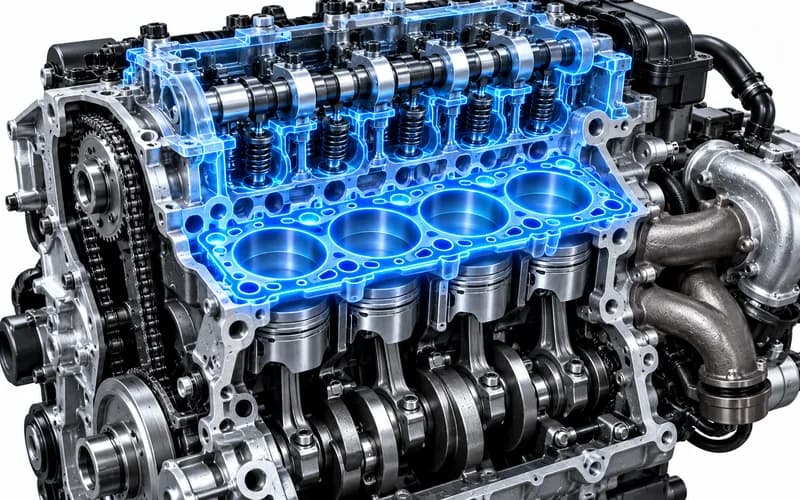
Head gasket replacement
$2,572–$3,386
Higher-mileage engines

100,000 miles isn’t the finish line. Many modern cars can reach 200,000 miles or more with good maintenance. A high mileage car protection plan helps keep the repair side of that plan predictable.
Keeping your car can make financial sense, as long as you plan for what longer ownership brings.
Cooling system condition, transmission behavior, starting and charging systems.
These stages are general guidance, not points where parts are expected to fail. Reliability varies widely by make, model and year.
Higher-mileage engines
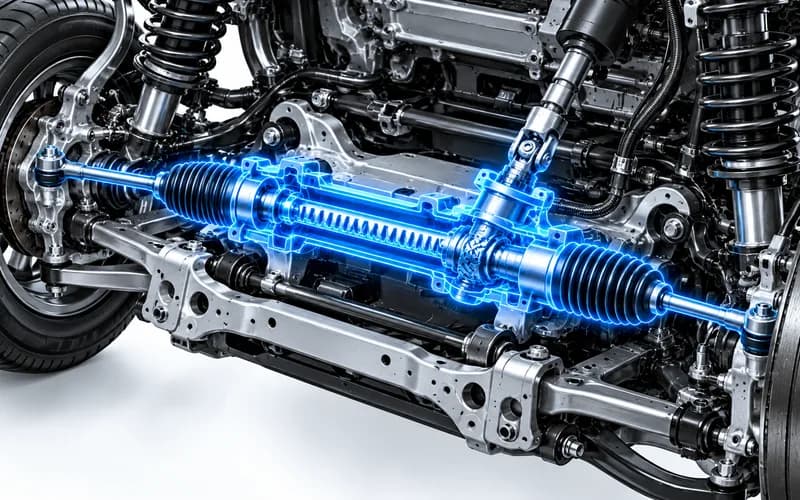
Steering that wears with age
Engine timing components
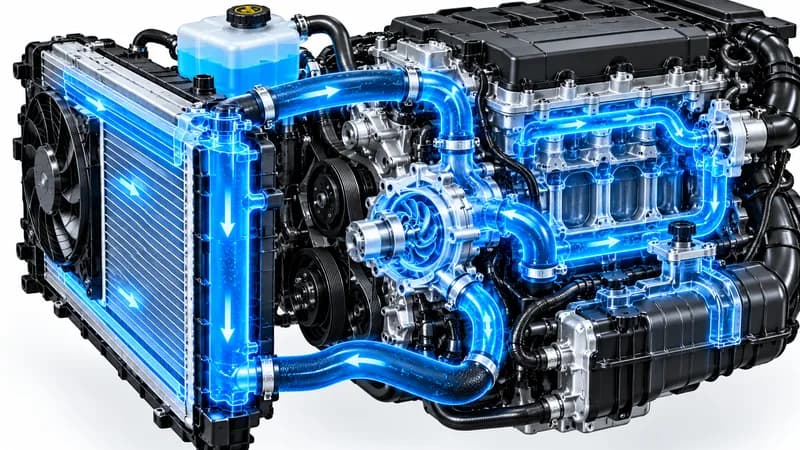
Cooling system wear
Steering system component
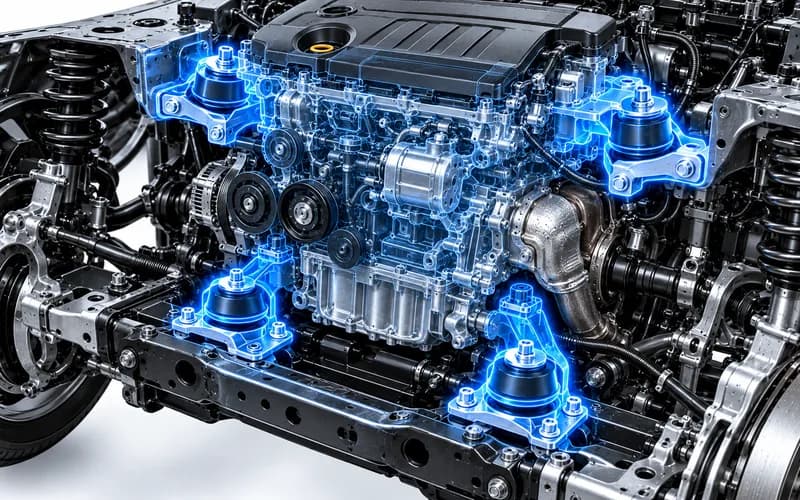
Rubber parts that age with miles
Source: RepairPal estimates, updated September 2026. National ranges; actual costs vary. Not every repair is covered; coverage depends on your contract.
On a high-mileage car, the part is often the cheap piece. Reaching it can take hours of labor, and shop rates add up fast. In a 2026 survey of general repair shops, the most common hourly rate was $100–$119, and about 43% of shops charged $140 an hour or more.
Illustrative example: A $150 part that takes six hours to replace at $150 an hour adds $900 in labor, a $1,050 bill before taxes and fees.
Whether a plan pays labor, and at what rate, depends on your contract.
Illustrative only. Excludes parts, taxes and shop fees.
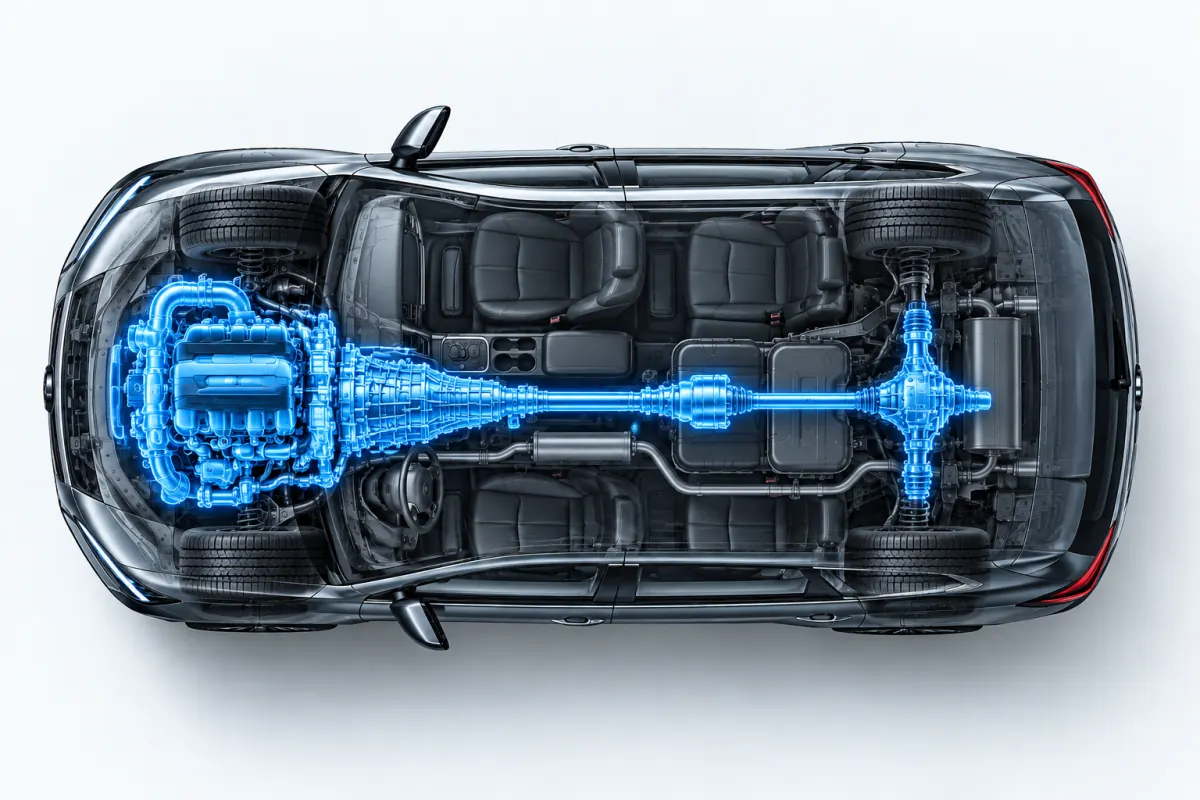
Your car’s most vital parts: engine, transmission and drivetrain.
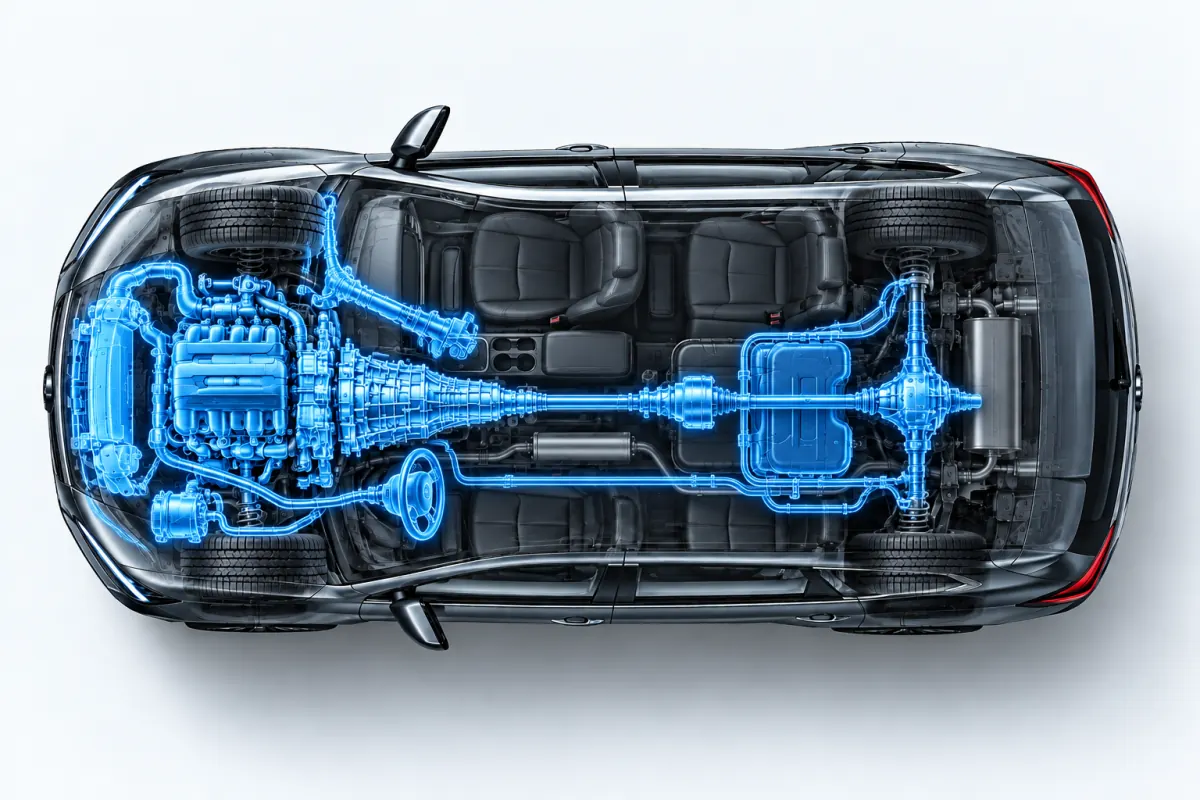
Powertrain protection plus brakes, steering, cooling, A/C and suspension.
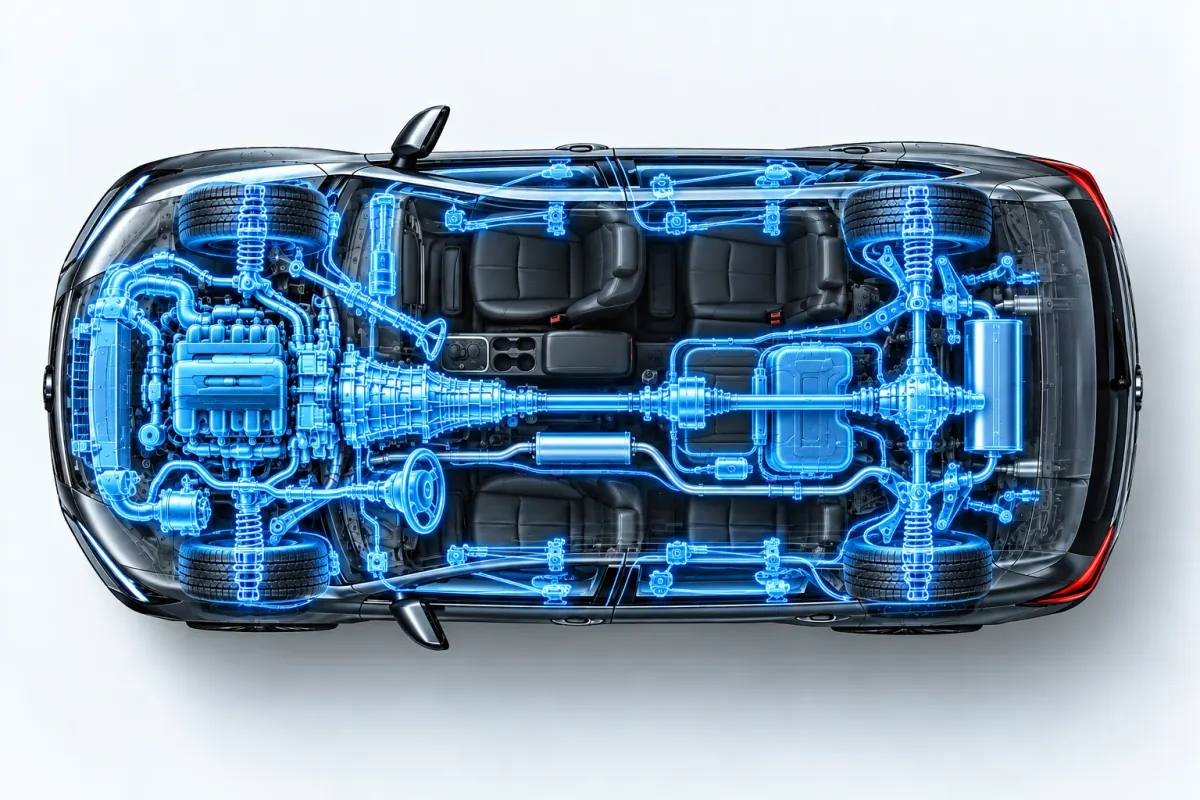
Broad coverage for major mechanical and electrical systems.
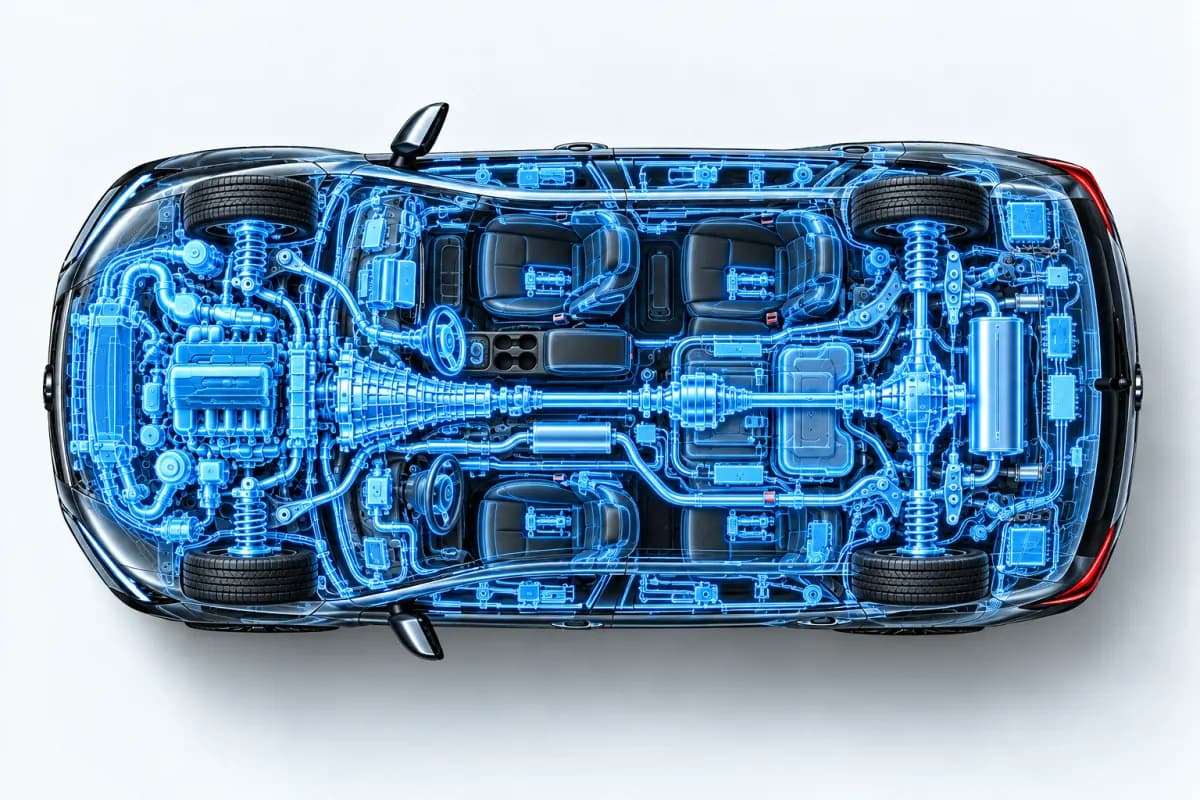
Every part is covered unless the contract specifically lists it as an exclusion.
Coverage, limits and exclusions vary by plan and are defined in your contract.
Tell us about your vehicle and see the plans it qualifies for in about two minutes.
Compare four levels, read the sample contract and pick a payment option that fits.
If a covered part breaks, take your car to a qualifying shop. Approved covered repairs may be paid directly to the shop. See how claims work.
Every Atlas plan comes with more than repair coverage.
Roadside assistance matters more on an older car; every plan includes towing, tire, lockout and dead battery help.
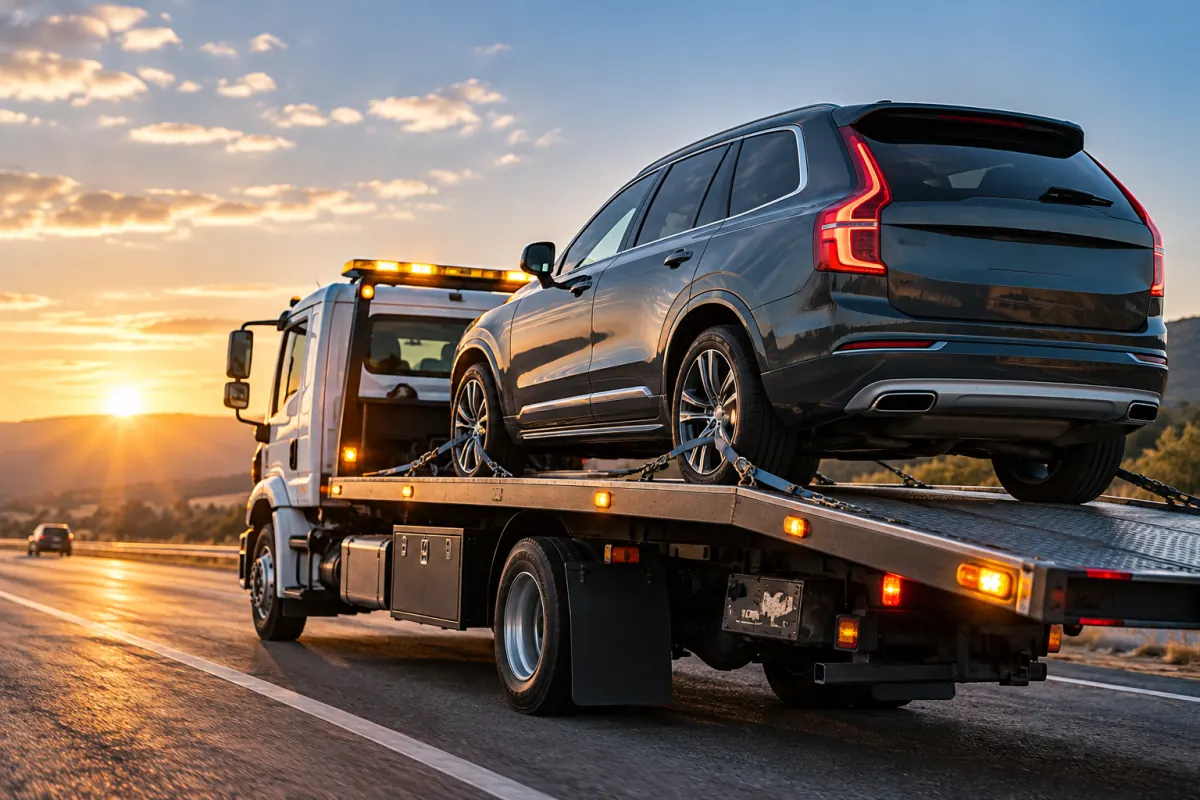



If your vehicle can’t be driven, we’ll arrange a tow to the closest approved repair facility.
Qualifying ASE-certified facilities or dealerships nationwide.
Approved covered repairs may be paid directly to the shop.
Spread the cost over time.
Move or cross state lines, and your protection stays in place.
Often, yes. Eligibility depends on mileage, age, condition and vehicle type. A quote shows what your car qualifies for.
It can be if you plan to keep the car and a big repair would be hard to pay. Our guide Is an Extended Warranty Worth It? walks through the math.
Contracts typically require routine maintenance, and keeping records helps if you file a claim.
The average check-engine-related repair was about $554 in 2025, according to CarMD. Some cost much less; others cost thousands.
No. Maintenance and wear-and-tear items are typically excluded; plans focus on mechanical and electrical breakdowns.
More questions? See all FAQs

The pros, cons and real math, plus a 30-second self-check.
Read guide
What factory warranties include, what they leave out and what happens when they end.
Read guide
What to review before you sign: coverage, exclusions, deductibles and claims.
Read guideSee which plans your car qualifies for and what they cost. Free, no commitment, about two minutes.
Eligibility depends on vehicle age, mileage, condition and type.
Takes about 2 minutes · See plans for your vehicle
Deductibles and exclusions may apply. Some vehicles may not be eligible, and not every repair is covered under every plan. Review your contract for complete terms, limits and exclusions. Atlas Vehicle Protection sells vehicle service contracts, which are not manufacturer warranties or insurance.