
Exclusive
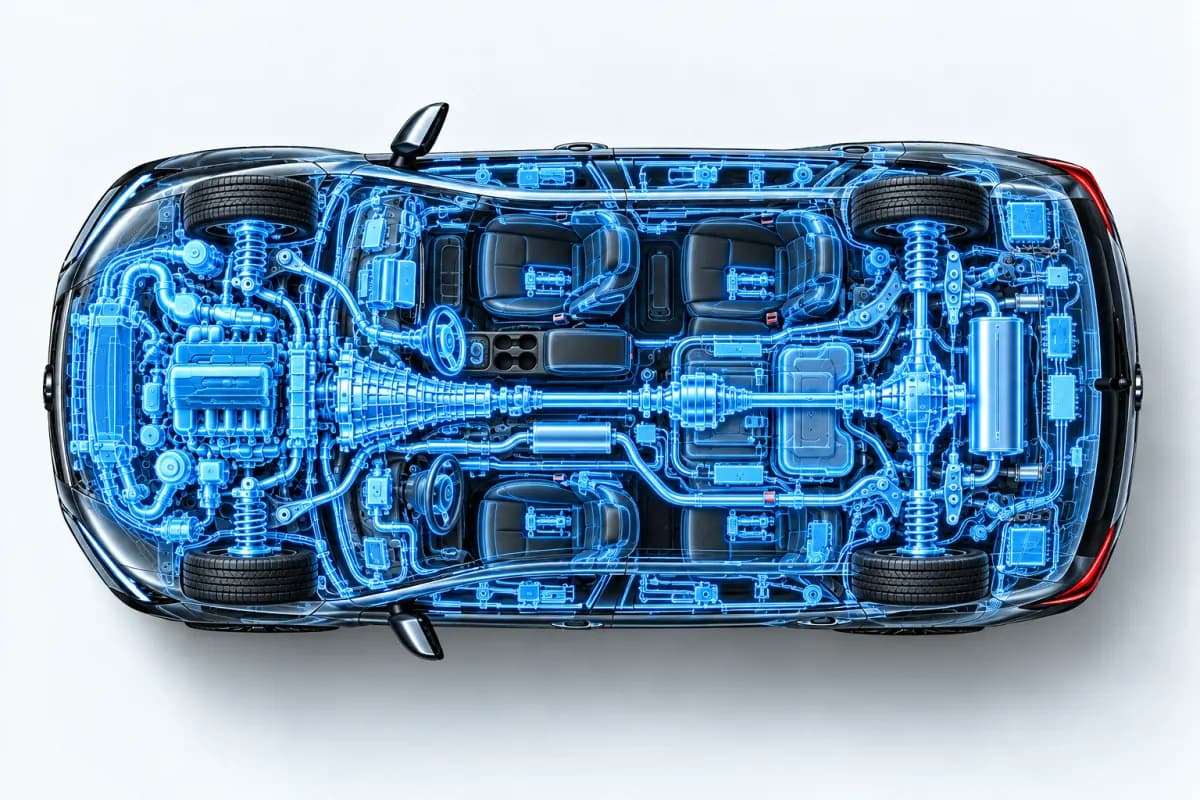
Our most complete protection. Every part is covered unless the contract specifically lists it as an exclusion.
View sample contractGet a Quote for This Plan
The short answer: An extended warranty is worth it if you plan to keep your car after the factory warranty ends and a surprise $3,000+ repair would strain your budget. It may not be worth it if you trade cars every few years or have enough savings to cover major repairs yourself.
Below, we break down the real costs, the pros and cons, and a quick self-check so you can decide what’s right for your car.
An “extended warranty” for a car is usually a vehicle service contract. It’s an agreement you buy separately that helps pay for covered mechanical and electrical repairs, often after the manufacturer’s warranty ends. Unlike your factory warranty, it isn’t included in the price of the car, and coverage depends on the plan you choose.
Plans range from powertrain-only coverage (engine, transmission and drivetrain) to exclusionary plans that cover every part except those listed as exclusions. Many also add perks like roadside assistance and rental car benefits. For a side-by-side look, see warranty vs. vehicle service contract.
 Related guideNew to coverage? Start with what a car warranty covers.
Answer five quick questions. Each “yes” is a sign coverage may be a smart fit.
Your result appears here once you’ve answered every question.
Your car and budget line up with the situations protection is built for. See what a plan would cost for your vehicle.
Coverage could make sense, especially a plan focused on your biggest risks. Compare options and pricing before you decide.
If you can comfortably cover repairs, a savings fund may work. Your answer may change as your car ages, so check back.
No plan is right for everyone. Here’s an honest look at both sides.
| Pros | Cons |
|---|---|
| Protects your budget from big, surprise repair bills | You may pay for coverage you never use |
| Predictable payments are easier to plan around | Every plan has exclusions; wear items and maintenance aren’t covered |
| Coverage for costly electronics and sensors on newer cars | Deductibles may apply per repair visit |
| 24-hour roadside help with many plans, including Atlas | Older or high-mileage cars may have fewer plan options |
| Choose qualifying repair shops, not just the dealer (plan-dependent) | Some providers use high-pressure sales; you need to vet who you buy from |
| Can add peace of mind on road trips and long commutes | A savings fund can do the same job if you’re disciplined and well-funded |
The cons are real, but most come down to choosing the right plan and the right provider. The rest of this guide shows how.
Get a free, no-commitment quote for your exact car. It takes about two minutes.
Deductibles and exclusions may apply. Some vehicles may not be eligible.
The question isn’t just “will something break?” It’s “what happens to my budget when it does?” A single major repair can cost more than years of plan payments.
Typical repair range for engine: $5,000–$10,000+
Inputs are illustrative. Adjust them to match your quote.
Plus $3,600 in plan payments, spread over 36 months.
Estimates only. Your actual price depends on your vehicle, mileage and plan.
If you never file a claim, you’ve paid for peace of mind. If you do, one repair can more than cover the cost. Only you can decide which risk you’d rather carry.
Repair costs are estimates and vary by vehicle, location and repair facility. Coverage is not guaranteed for every mechanical breakdown. Component ranges match the repair-cost estimates on our Auto Protection page.
Four things matter most: your car’s age and mileage, how long you’ll keep it, how complex it is, and your financial cushion.
Often the best fit: used cars may be out of factory warranty, and repairs get more common as mileage climbs.
Read more belowWhile your factory warranty is active, you’re already covered for defects, so you don’t need overlapping protection. The value comes later. If you plan to keep the car beyond the bumper-to-bumper term, buying before it ends often gives you more plan choices and helps avoid a gap in coverage. If you lease or trade every three years, you probably don’t need it.
This is where coverage often makes the most sense. Used cars may be out of factory warranty or close to it, and repairs become more common as mileage climbs. Eligibility and price depend on age, mileage and condition, so it’s worth checking your options before something breaks. Already bought one? See how used car protection plans work.

High-mileage drivers reach the end of factory coverage sooner and put more wear on major components. If you commute long distances or road-trip often, coverage plus 24-hour roadside help adds more value. See high mileage car protection plans.
Modern cars rely on computer modules, sensors, cameras and touchscreens. These can be expensive to diagnose and replace. The more tech your car has, the more a broad plan can be worth.
If you have a dedicated repair fund that could cover a $5,000 bill tomorrow without stress, you may choose to self-insure. If that bill would go on a credit card, a predictable payment is often the safer path.
Much of the “not worth it” reputation comes from confusing contracts and aggressive sales tactics, not from coverage itself. Here’s how to separate a solid plan from a risky one.

At Atlas, sample contracts for every plan are available before you buy, so you can read exactly what’s covered first.
An extended warranty isn’t the only way to handle repair costs. Here’s how the three common options compare.
| Feature | Save on your own | Manufacturer / dealer extended plan | Vehicle service contract (like Atlas) |
|---|---|---|---|
| Upfront cost | None, but you need savings built up | Often rolled into your car loan | Flexible monthly payment options |
| Big repair in year one | Paid in full from savings or credit | Covered per plan terms | Covered per plan terms |
| Where repairs happen | Anywhere | Usually brand dealerships | Qualifying ASE-certified shops or dealerships nationwide |
| Roadside assistance | Not included | Varies | Included with every Atlas plan |
| Can buy after purchase | N/A | Sometimes, with limits | Yes, if the vehicle is eligible |
| Best for | Drivers with a large repair fund | Buyers who want to finance coverage with the car | Drivers who want flexibility and predictable costs |
If you choose to self-insure, set aside a dedicated repair fund and add to it monthly. If you’d rather not carry that risk, a vehicle service contract turns it into a set payment.
Atlas offers four coverage levels so you only pay for the protection that fits your car and budget.
Our most complete protection. Every part is covered unless the contract specifically lists it as an exclusion.
View sample contractGet a Quote for This Plan
Broad coverage for major mechanical and electrical systems, plus rental car and trip interruption benefits.
View sample contractGet a Quote for This Plan
Powertrain protection plus brakes, steering, cooling, fuel, electrical, A/C and suspension components.
View sample contractGet a Quote for This Plan
Engine, transmission and drivetrain, plus core cooling, A/C, fuel and electrical components.
View sample contractGet a Quote for This Plan
It’s worth it if you plan to keep your car after the factory warranty ends and a major repair would be hard to pay out of pocket. It may not be worth it if you trade in your car every few years or have savings set aside for repairs. Compare a quote to typical repair costs for your car.
Often, yes. Used cars are more likely to be past their factory warranty, and repairs become more common as mileage rises. Eligibility and pricing depend on your car’s age, mileage and condition.
Many drivers buy before their factory bumper-to-bumper warranty ends. That helps avoid a gap in coverage and can mean more plan options. You can still get coverage later if your vehicle is eligible.
Cost depends on your vehicle, mileage, the plan level and your deductible. Powertrain plans typically cost less than exclusionary plans. A free quote shows your exact price in about two minutes.
Most plans exclude routine maintenance, wear items like brake pads and wiper blades, tires, cosmetic damage, and damage from accidents or misuse. Every contract lists its own exclusions, so read it before you buy.
With Atlas, covered repairs can be done at qualifying ASE-certified repair facilities or dealerships nationwide, subject to your contract’s terms.
No. Car insurance covers accidents, theft and weather damage. An extended warranty, or vehicle service contract, helps pay for covered mechanical and electrical breakdowns.
You can cancel your Atlas plan whenever you like. Refund terms depend on your contract and how long you’ve had it. See our cancellation policy.
Still deciding? Call 888-600-8084. Learn how claims work.
The fastest way to decide is to see real numbers. Get a free quote for your vehicle, compare plans, and make the call with no pressure.
Takes about 2 minutes · See plans for your vehicle
Prefer to talk? Call 888-600-8084 (Mon–Fri 8 a.m.–7 p.m., Sat 9 a.m.–2 p.m. CT)

Deductibles and exclusions may apply. Some vehicles may not be eligible. Atlas sells vehicle service contracts, which are not manufacturer warranties or insurance.