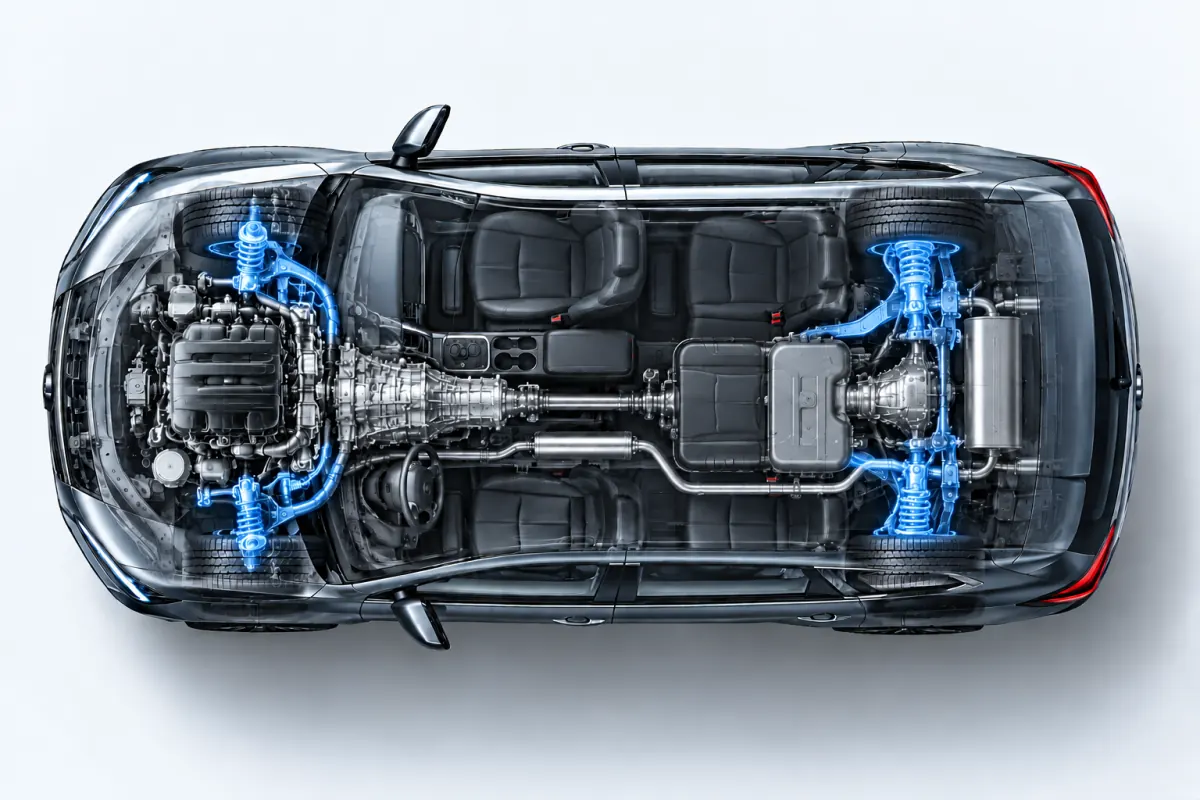
Bumper-to-bumper (comprehensive)
Covers almost every part of the car between the bumpers, from the electrical system to air conditioning, except items specifically excluded.

The short answer: A car warranty covers the cost of repairing or replacing parts that fail because of a defect in materials or workmanship. A bumper-to-bumper warranty covers most of the vehicle, while a powertrain warranty covers the engine, transmission and drivetrain. Routine maintenance, wear-and-tear items and accident damage usually aren’t covered.
Once your factory warranty ends, those repair bills become yours. Here’s exactly what’s covered, what isn’t, and how to stay protected.
A car warranty is the manufacturer’s promise to fix certain problems with your vehicle for a set time or number of miles, whichever comes first. It’s included in the price of a new car (and some certified pre-owned cars), and it covers repairs needed because a part was defective, not because it wore out or was damaged.
You’ll also hear the term “extended car warranty.” In most cases, that’s a vehicle service contract: a separate agreement you can buy that helps pay for covered repairs, often after the factory warranty runs out. They solve a similar problem, but they work differently. (For a deeper dive, read our guide to warranty vs. vehicle service contract.)
| Feature | Factory warranty | Vehicle service contract |
|---|---|---|
| Who provides it | The vehicle manufacturer | A provider like Atlas, backed by a contract administrator |
| Cost | Included in the vehicle price | Purchased separately; payment options available |
| When it applies | From the purchase date until time or mileage limits | Can start during or after the factory warranty, per contract terms |
| What it covers | Defects in materials or workmanship | Covered mechanical and electrical breakdowns listed in the contract |
| Where repairs happen | Usually brand dealerships | Qualifying ASE-certified repair facilities or dealerships nationwide |
Learn more about how vehicle service contracts work.
Most new cars come with several warranties bundled together, each with its own time and mileage limit. Here’s what each one typically covers. Exact terms vary by manufacturer, so check your warranty booklet or owner’s portal for yours.
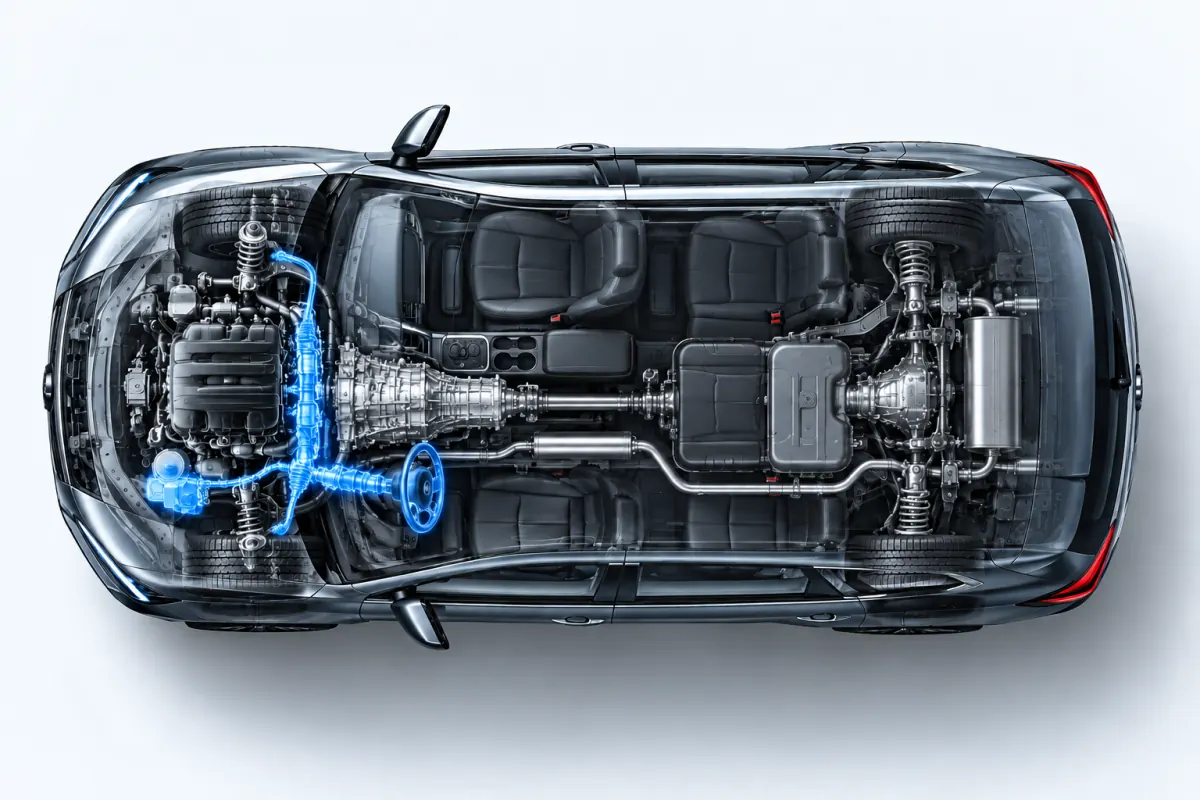
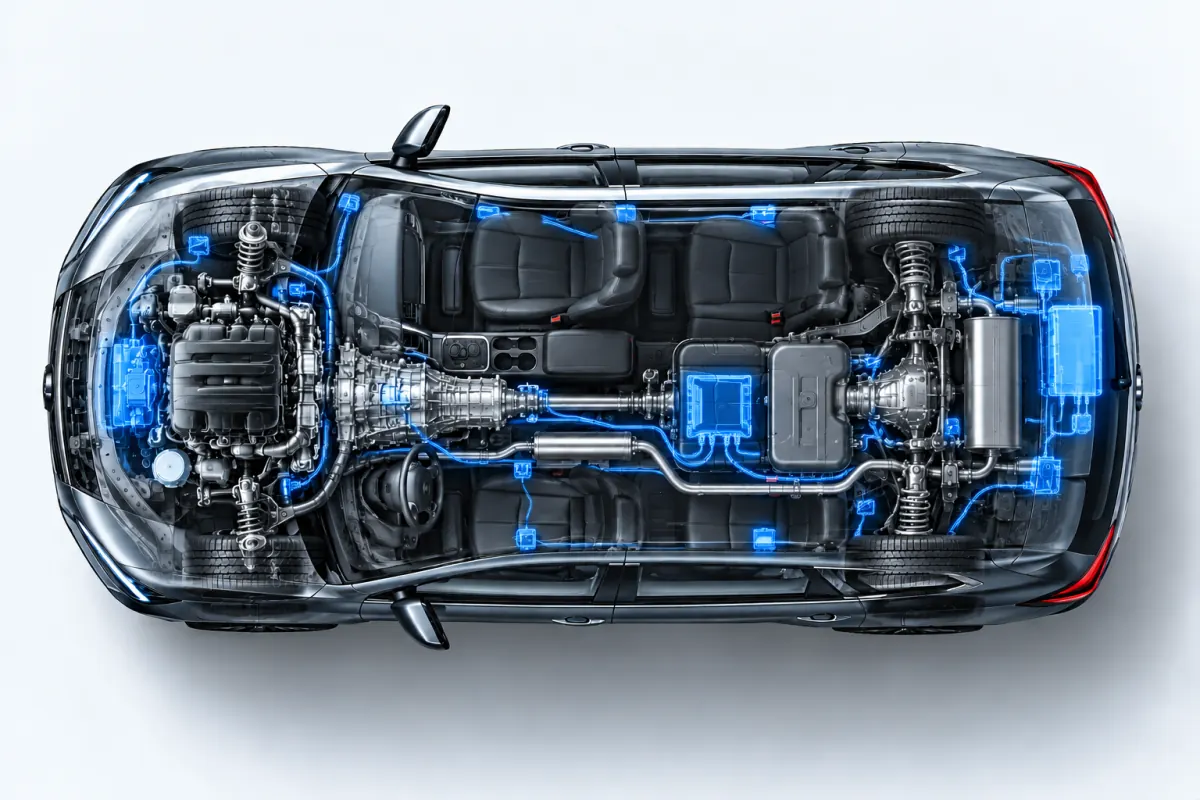
Covers almost every part of the car between the bumpers, from the electrical system to air conditioning, except items specifically excluded.
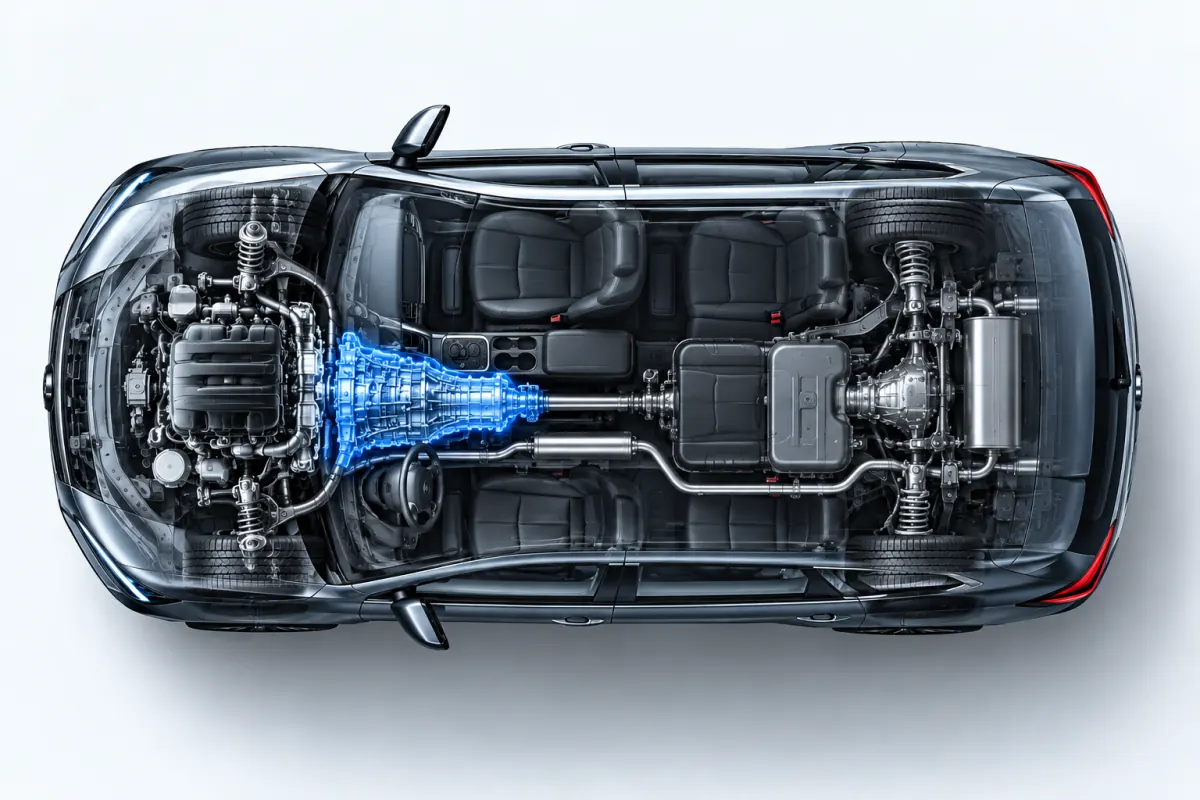
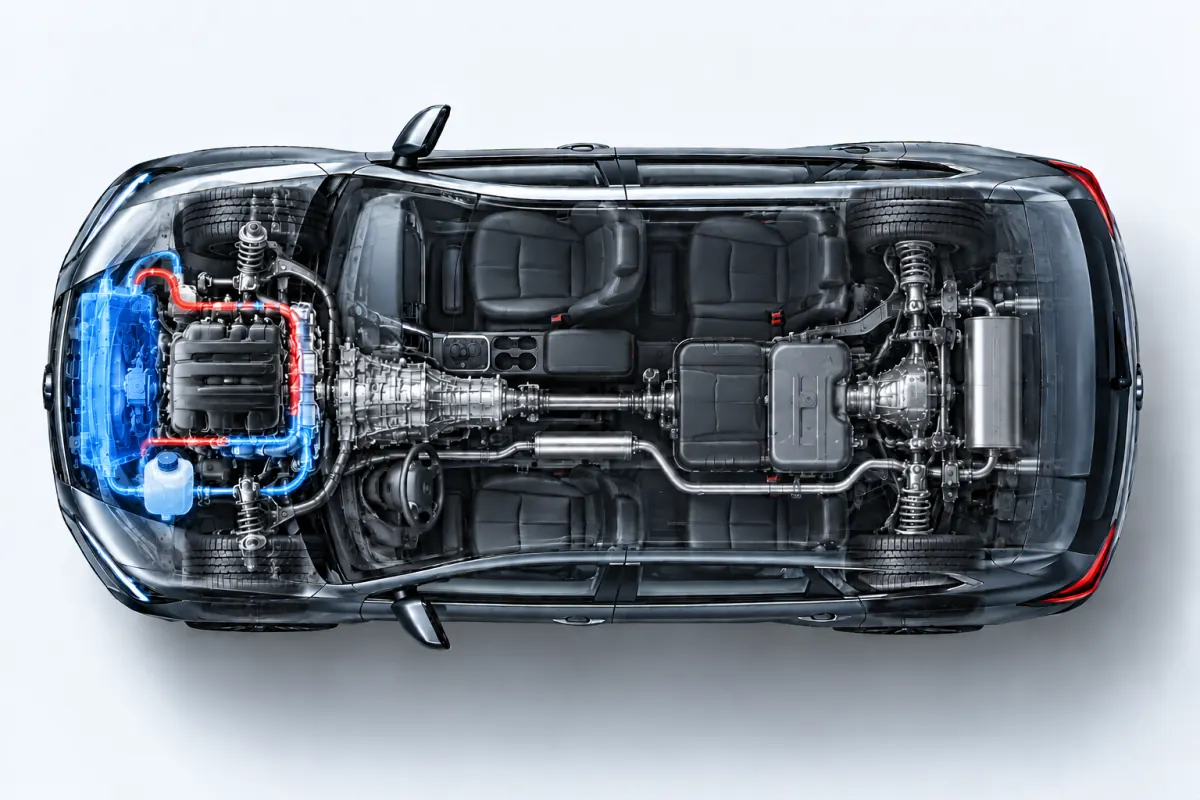
Covers the parts that make your car move: engine, transmission and drivetrain.
Covers body panels that rust all the way through from the inside. Surface rust usually isn’t included.
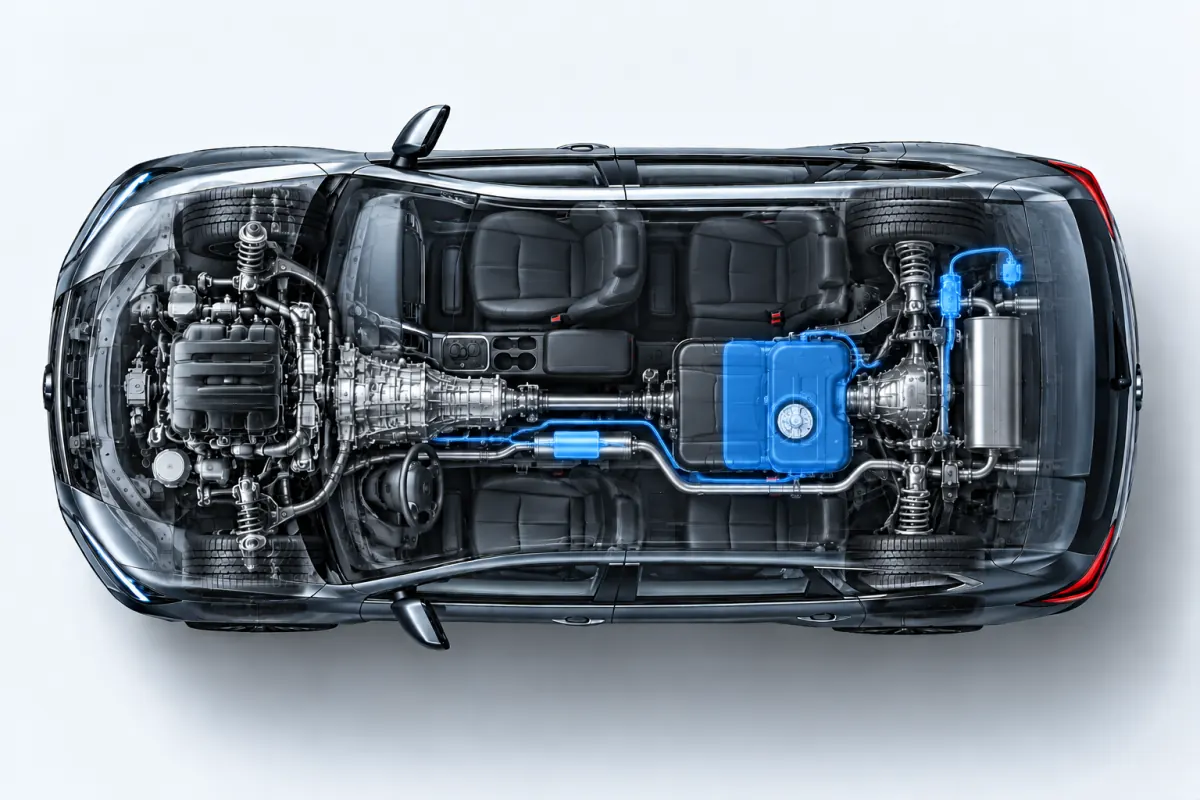
Covers emissions parts such as the catalytic converter and engine computer, plus high-voltage batteries on hybrids and EVs, often for 8 years or longer.
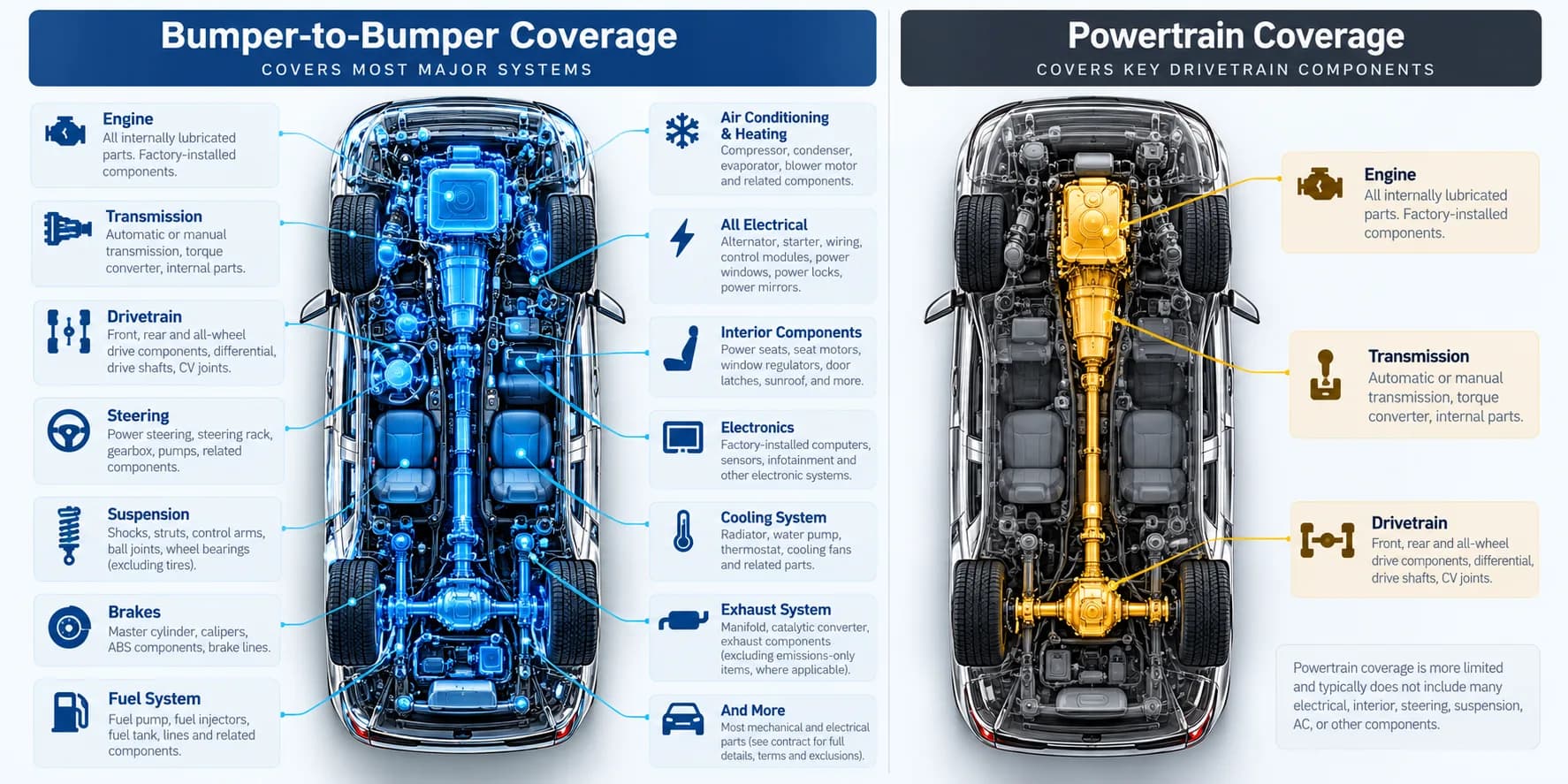
Think of this as your most complete factory coverage. It typically includes:
Powertrain coverage lasts longer, but it’s narrower. It typically includes:
Knowing what’s excluded helps you avoid surprises at the service counter. Factory warranties usually don’t cover:
That’s the same idea behind most vehicle service contracts, too: they’re built for unexpected mechanical and electrical breakdowns, not upkeep or collisions. The difference is that every contract spells out its own covered parts and exclusions, which is why it pays to read the terms before you buy. Browse sample contracts to see what that looks like.
See what it would cost to keep your engine, transmission and more protected. Quotes take about two minutes, with no commitment.
Deductibles and exclusions may apply. Some vehicles may not be eligible.
When your factory warranty expires, the next covered-part failure is paid for out of pocket. For many drivers that happens sooner than they expect: bumper-to-bumper coverage often ends around year three, right when a lot of people are still making car payments.
Typical terms shown; your manufacturer’s terms may differ.
That’s also when repairs start to add up. Cars today are packed with sensors, screens and computer modules, and a single electrical or A/C failure can run into the thousands. Major powertrain repairs cost even more.
You have three options:
There’s no wrong answer, but option one only works if you can absorb a $3,000 or $5,000 bill without warning. Options two and three turn that risk into a budgeted monthly cost. Not sure which fits? See whether an extended warranty is worth it for your car.
The repairs a warranty is designed for are rarely cheap. Select a component to see a typical repair range.
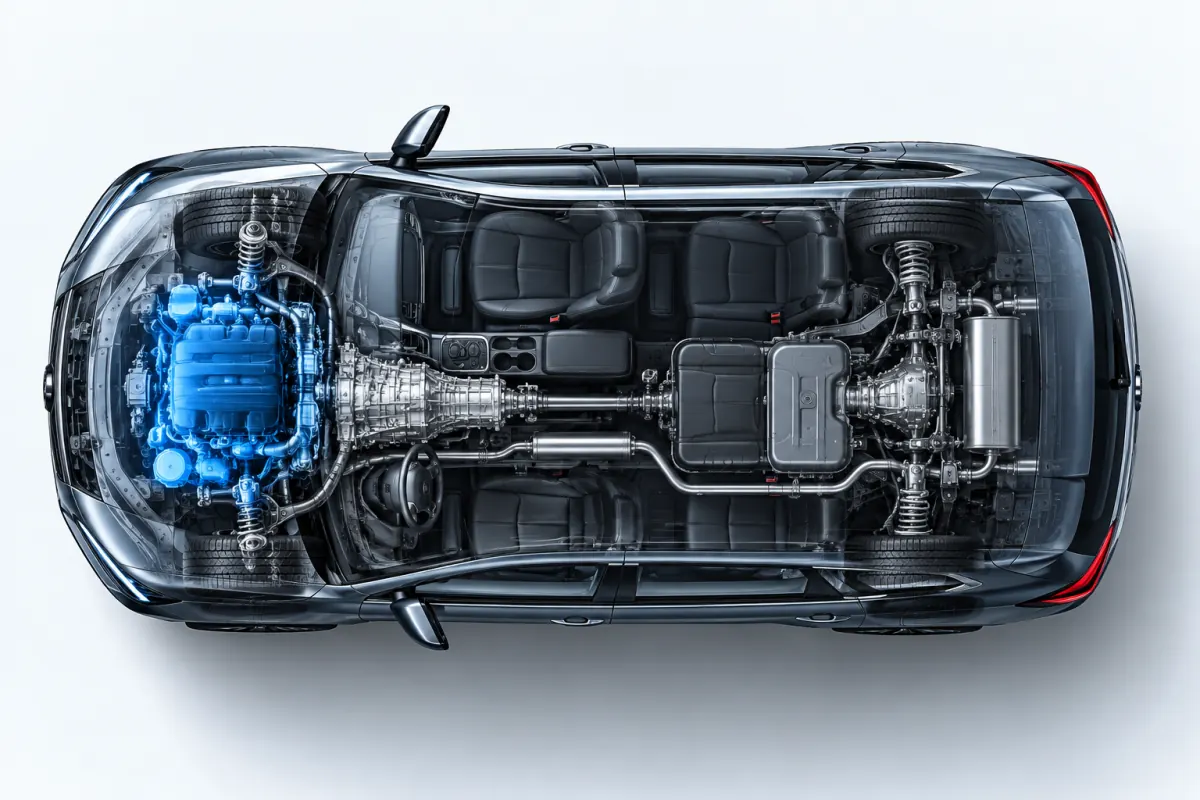
Repair costs are estimates and vary by vehicle, location and repair facility. Coverage is not guaranteed for every mechanical breakdown.
Atlas offers four levels of vehicle protection, from powertrain-focused coverage to our most complete plan, which works much like a bumper-to-bumper warranty. Every plan includes 24-hour roadside assistance.
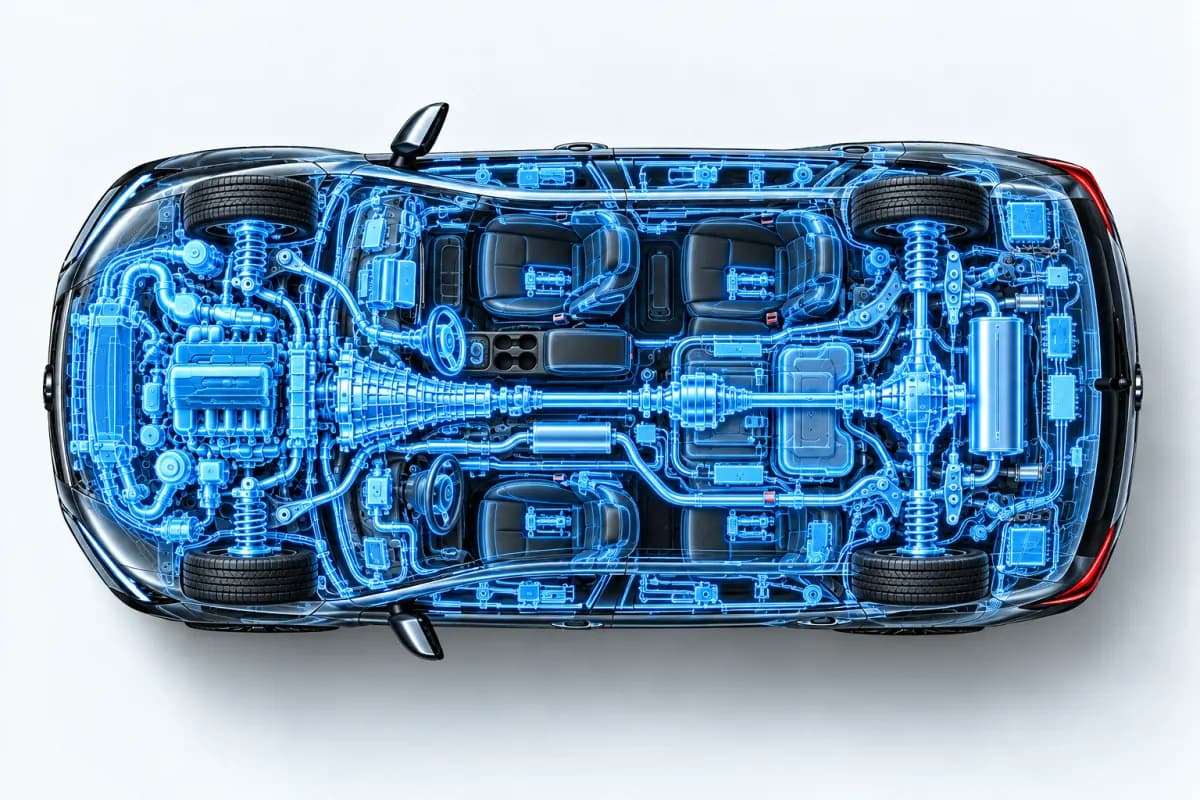
Best for: drivers who want coverage closest to a factory bumper-to-bumper warranty
Our most complete level of protection. Every part is covered unless the contract specifically lists it as an exclusion.
View sample contractGet a Quote for This Plan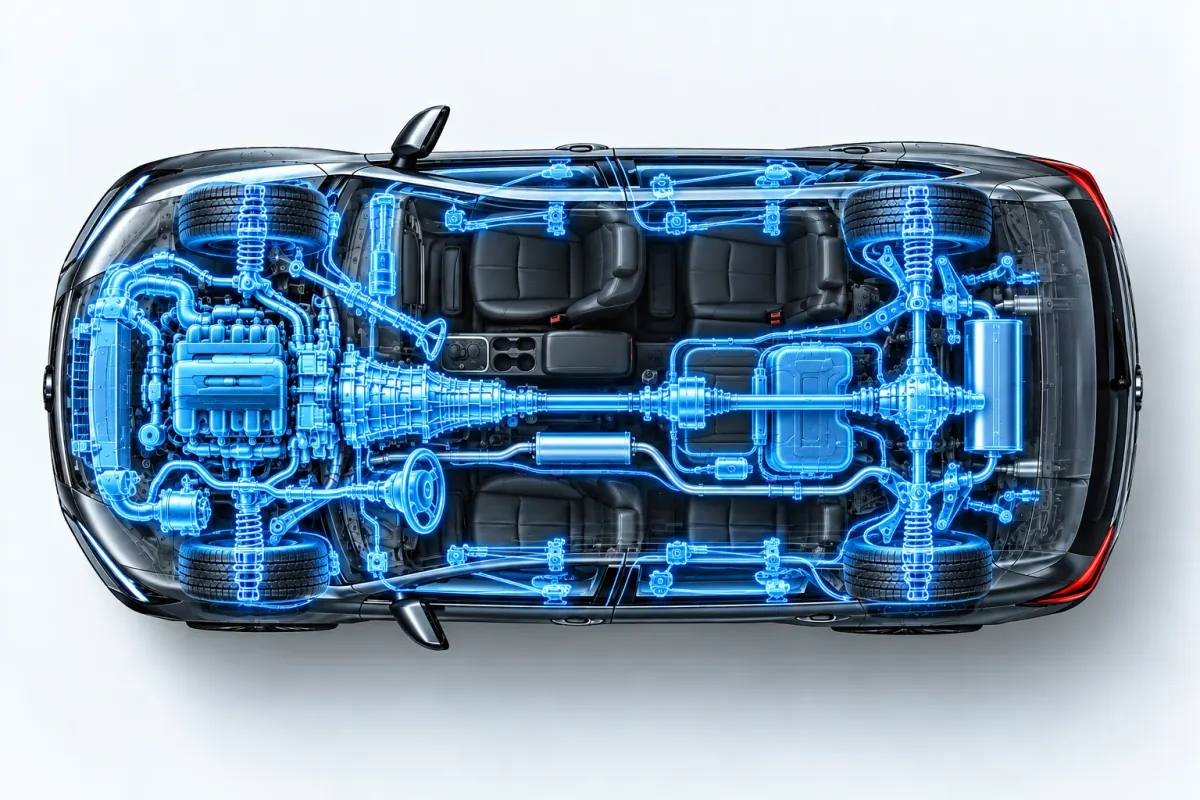
Best for: high-mileage commuters and road-trippers
Broad coverage for major mechanical and electrical systems, plus rental car and trip interruption benefits. Exclusions are clearly spelled out in the contract.
View sample contractGet a Quote for This Plan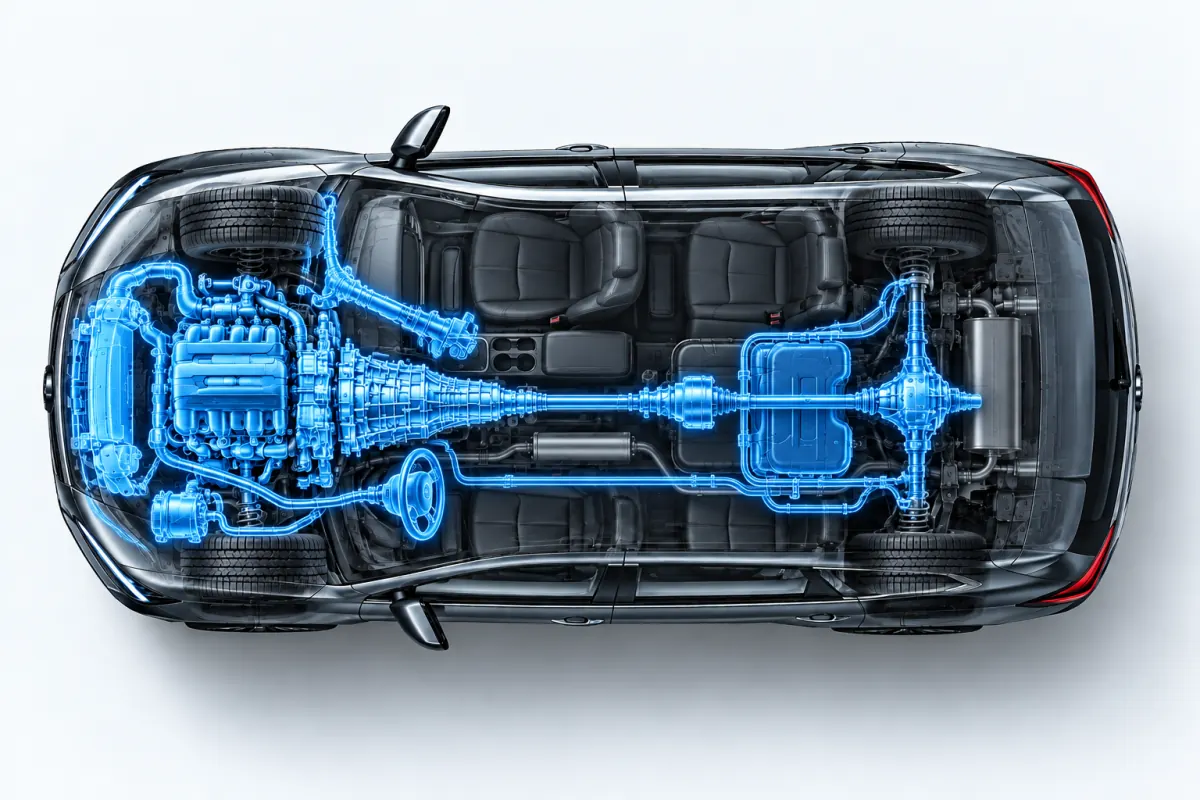
Best for: everyday drivers who want more than the basics
Builds on powertrain protection by adding brakes, steering, cooling, fuel, electrical, A/C and suspension components.
View sample contractGet a Quote for This Plan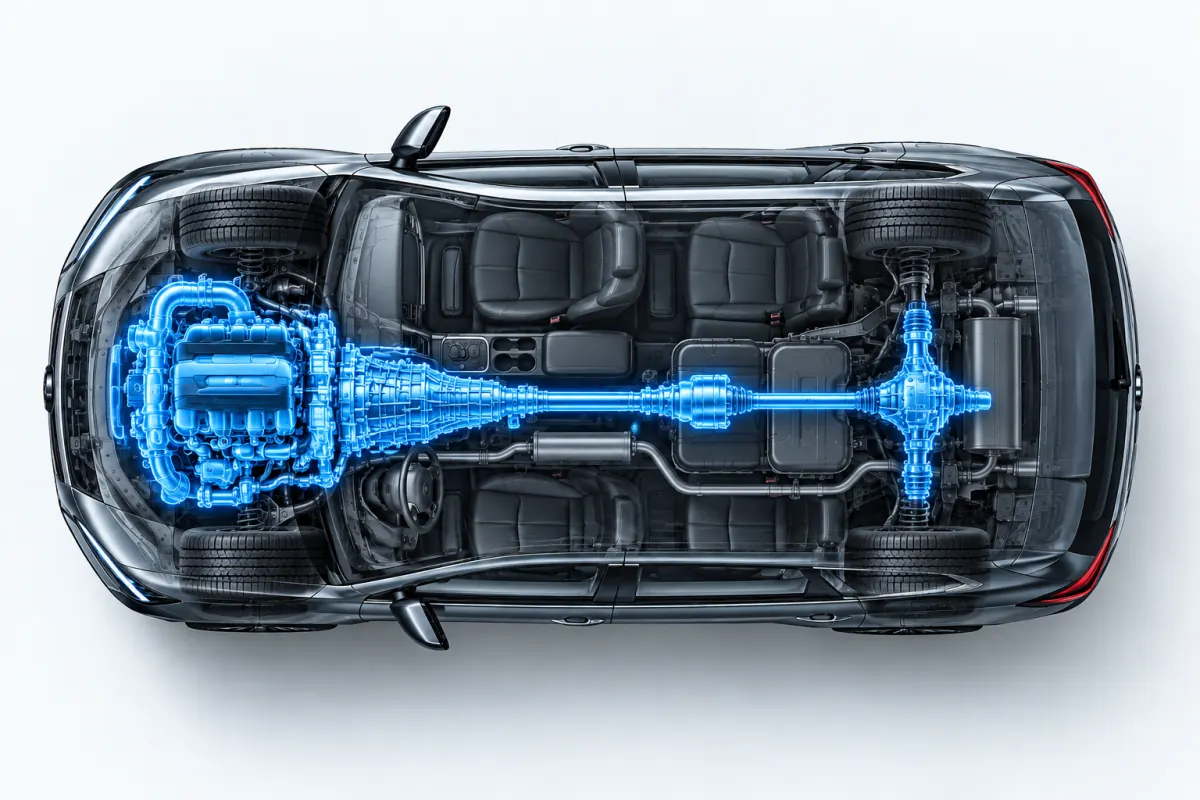
Best for: budget-minded drivers and older vehicles
Focuses on your car’s most vital parts (engine, transmission and drivetrain) and adds core cooling, A/C, fuel and electrical components.
View sample contractGet a Quote for This Plan| Coverage | Powertrain Choice | Essential Plus | Deluxe | Exclusive |
|---|---|---|---|---|
| Engine, transmission, drivetrain | ✓ | ✓ | ✓ | ✓ |
| Core cooling, A/C, fuel, electrical | ✓ | ✓ | ✓ | ✓ |
| Brakes, steering, suspension | — | ✓ | ✓ | ✓ |
| Major mechanical and electrical systems | — | — | ✓ | ✓ |
| Exclusionary coverage (all parts unless excluded) | — | — | — | ✓ |
| Rental car and trip interruption | ✓ | ✓ | ✓ | ✓ |
| 24-hour roadside assistance | ✓ | ✓ | ✓ | ✓ |
| Closest to a factory warranty | Powertrain warranty | Between the two | Near bumper-to-bumper | Bumper-to-bumper |
Coverage, limits and exclusions vary by plan and are defined in your contract. View sample contracts before you buy.
A factory warranty fixes covered parts. An Atlas plan also helps when you’re stuck on the side of the road.
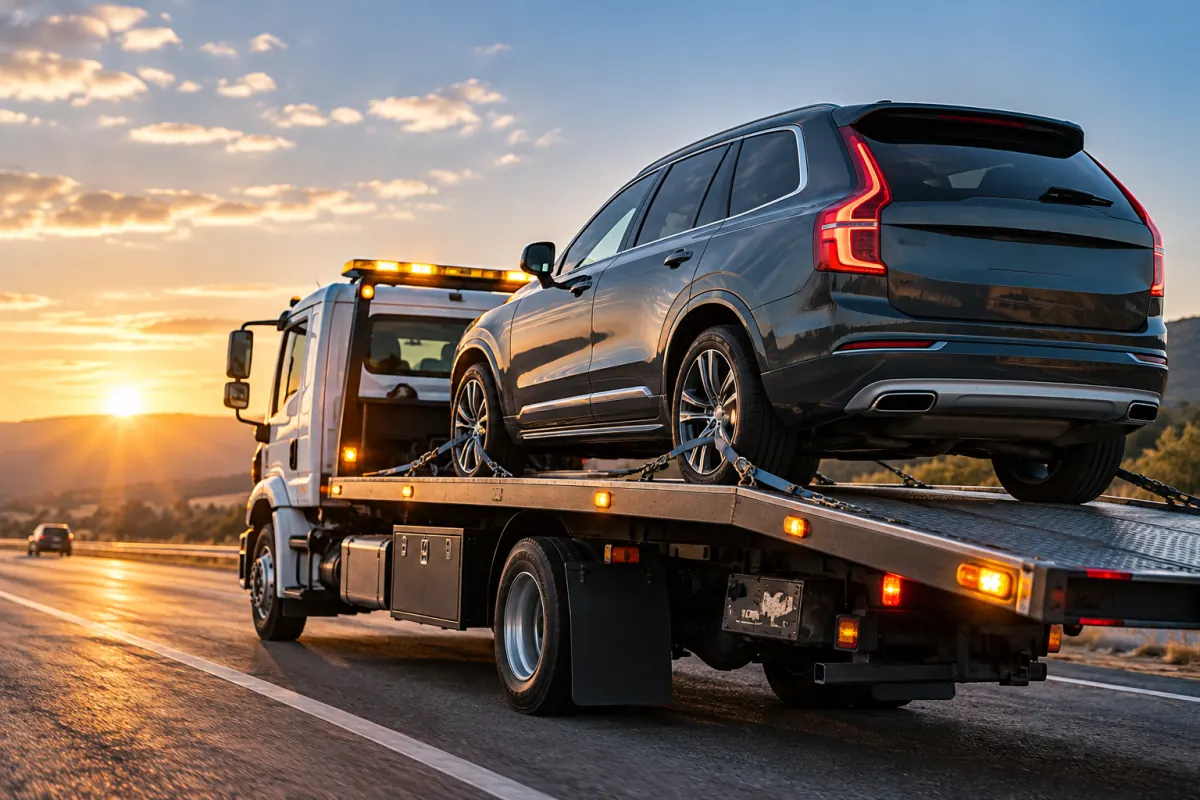
If your car can’t be driven, we’ll arrange a tow to the closest approved repair facility.

Help with a flat so you can get back on the road.

Keys locked inside? We’ll send help.

Jump-starts when your battery gives out.
Many factory and dealer plans steer you back to the dealership. With eligible Atlas coverage, you can have covered repairs done at qualifying ASE-certified repair facilities or dealerships nationwide, subject to your contract’s terms.

The right plan depends on your car, how you drive and how much risk you’re comfortable with. Ask yourself:

A car warranty covers repairs to parts that fail because of a manufacturing defect, for a set time or mileage. Bumper-to-bumper coverage includes most systems, like electrical, A/C and steering. Powertrain coverage includes the engine, transmission and drivetrain. Maintenance, wear items and accident damage aren’t covered.
An “extended car warranty” is usually a vehicle service contract. What it covers depends on the plan: powertrain plans focus on the engine and transmission, while exclusionary plans cover every part except those listed as exclusions. Many plans also add roadside assistance and rental car benefits.
No. Insurance pays for damage from accidents, theft and weather. A warranty or vehicle service contract helps pay for mechanical and electrical breakdowns. Most drivers need insurance by law; warranty-style coverage is optional.
Factory warranties usually cover defective brake components like calipers or the ABS module, but not brake pads and rotors, which wear out with normal use. Some vehicle service contracts cover brake system parts as well. Check the contract’s covered-parts list.
Generally, no. The federal Magnuson-Moss Warranty Act prevents manufacturers from voiding a warranty just because you used an independent shop or aftermarket parts, unless that work or part caused the problem. Keep your maintenance receipts.
Yes. Vehicle service contracts are designed for exactly that. Eligibility depends on your vehicle’s age, mileage and condition. A quote takes about two minutes and shows the plans your car qualifies for.
Many vehicle service contracts include a short waiting period, measured in days and miles, before claims can be filed. Atlas sample contracts list a waiting period of 30 days and 1,000 miles, or 90 days and 250 miles. Your contract states the exact terms.
Yes. You can cancel whenever you like. Refund terms depend on your contract and how long you’ve had it. See our cancellation policy for details.
Still have questions? Call 888-600-8084. Learn how claims work.
You now know what a car warranty covers, and what it doesn’t. Find out what it would take to protect your car from the next big repair bill.
Takes about 2 minutes · See plans for your vehicle
Prefer to talk? Call 888-600-8084 (Mon–Fri 8 a.m.–7 p.m., Sat 9 a.m.–2 p.m. CT)

Deductibles and exclusions may apply. Some vehicles may not be eligible. Atlas sells vehicle service contracts, which are not manufacturer warranties or insurance.