
Exclusive
Closest to bumper-to-bumper. Every part is covered unless the contract lists it as an exclusion.
View sample contractGet a Quote for This Plan
By the Atlas team · Updated October 23, 2026 · 9 min read
The short answer: After your factory warranty expires, you pay for repairs the manufacturer used to cover. Coverage usually ends in stages, bumper-to-bumper first and powertrain later, and some protection, like safety recalls and certain emissions or battery coverage, can continue. To stay covered, many drivers add a vehicle service contract before or after it ends.
Here’s what ends when, what still protects you, and a checklist to run before your coverage runs out.
Your factory warranty is the manufacturer’s promise to fix defects for a set time or mileage, whichever comes first. When that limit is reached, the promise ends. The car drives exactly the same, but the next covered-part failure is no longer the manufacturer’s bill. It’s yours.
Most drivers don’t notice the day it happens. There’s no letter and no warning light. Many find out at the service counter, when a repair they assumed was covered comes back with a price.
| Situation | While under factory warranty | After it expires |
|---|---|---|
| Defective part fails | Manufacturer pays for covered repair | You pay parts and labor |
| Where you go | Usually a brand dealer | Any shop you choose |
| Diagnostic time | Usually included for covered repairs | Typically billed to you |
| Maintenance and wear items | Your cost | Still your cost |
| Safety recalls | Fixed free | Generally still fixed free |
A new car usually comes with several warranties, each on its own clock. That’s why “my warranty expired” can mean very different things.
The biggest change usually comes when bumper-to-bumper coverage ends. After that, electrical systems, A/C, sensors, screens and most of the car’s comfort and convenience features are no longer covered, even though the powertrain may be for a few more years.
Check your own dates: they’re in your warranty booklet or the manufacturer’s owner website, or a brand dealer can look them up by VIN.
Expiration doesn’t mean you’re left with nothing. Check these before paying for a repair yourself:
Get a free quote in about two minutes, with no commitment.
Deductibles and exclusions may apply. Some vehicles may not be eligible.
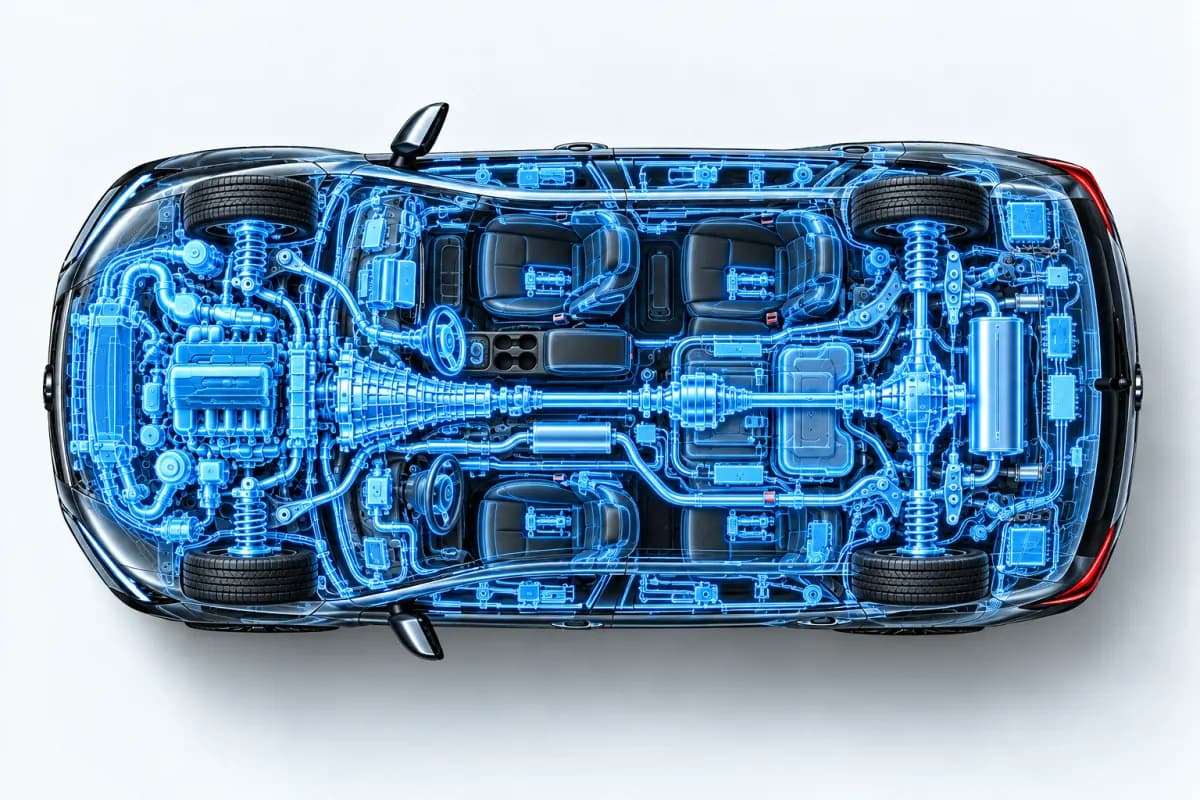
Bumper-to-bumper coverage protects the parts that modern cars are full of: computers, sensors and climate systems. Once it ends, these are the bills that land on you.
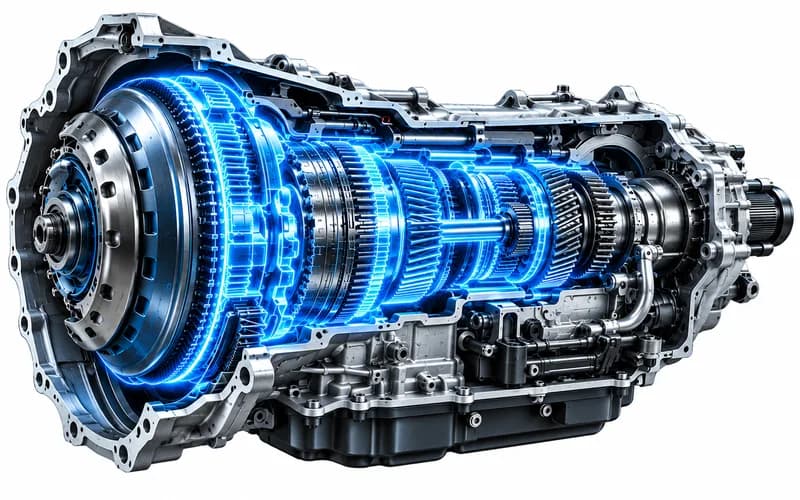


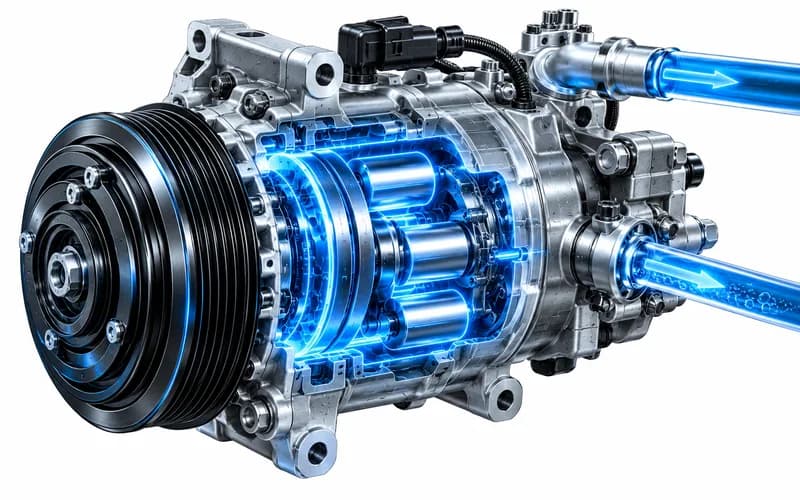

RepairPal national estimates, updated September 2026. Costs vary by vehicle, location and shop. A listed repair isn’t automatically covered by a protection plan.
Your car loan and your factory warranty run on separate clocks. Depending on your loan length and how much you drive, bumper-to-bumper coverage can end years before the car is paid off.
That means a major repair can arrive on top of a car payment, not instead of one. If a surprise $1,000 or $6,000 repair would be hard to manage alongside your payment, that’s worth planning for before the coverage ends.
Cover repairs from savings as they happen.
Best if: you have a dedicated repair fund that could absorb a large bill.
Many brands sell their own plans, usually through dealers and often with dealer repairs.
Best if: you want to stay in the brand’s dealer network.
A plan like Atlas helps pay for covered repairs, with qualifying shops nationwide and roadside help.
Best if: you want predictable costs and repair-shop choice.
Starts a new warranty, but brings new costs. AAA estimates the average annual cost of owning and operating a new vehicle at $11,577.
Best if: your car no longer fits your needs.
Not sure which is right? Read Is an Extended Warranty Worth It?
If your warranty hasn’t run out yet, a little preparation can save you money.

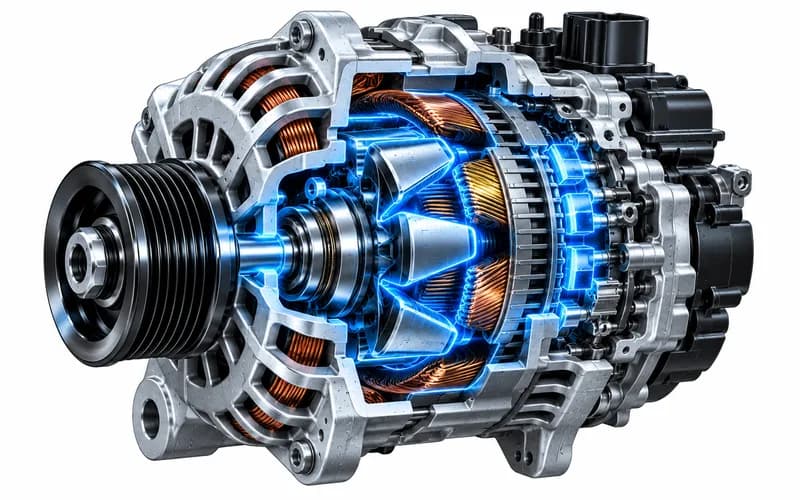
When bumper-to-bumper coverage ends, Atlas plans can help cover eligible repairs to the systems it used to protect, and more. Choose the level that matches what you lost and what you can afford.
Closest to bumper-to-bumper. Every part is covered unless the contract lists it as an exclusion.
View sample contractGet a Quote for This Plan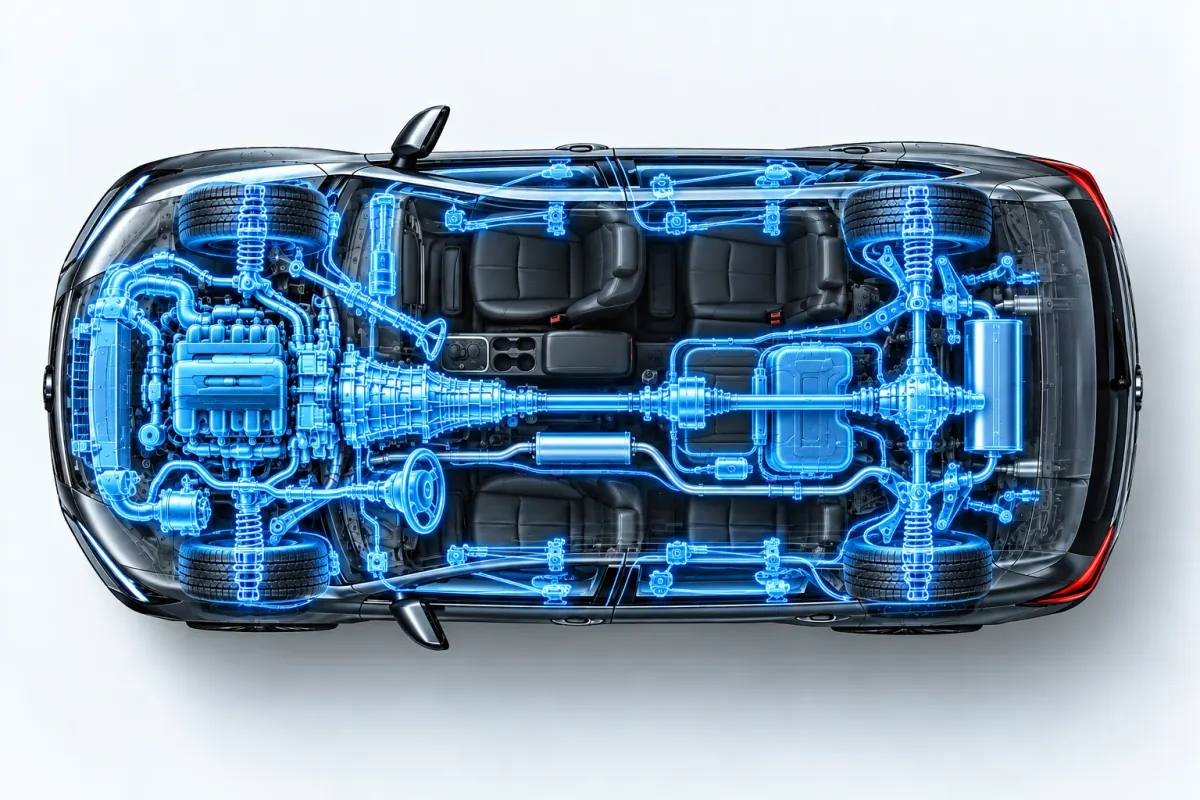
Broad mechanical and electrical coverage, plus rental car and trip interruption benefits.
View sample contractGet a Quote for This Plan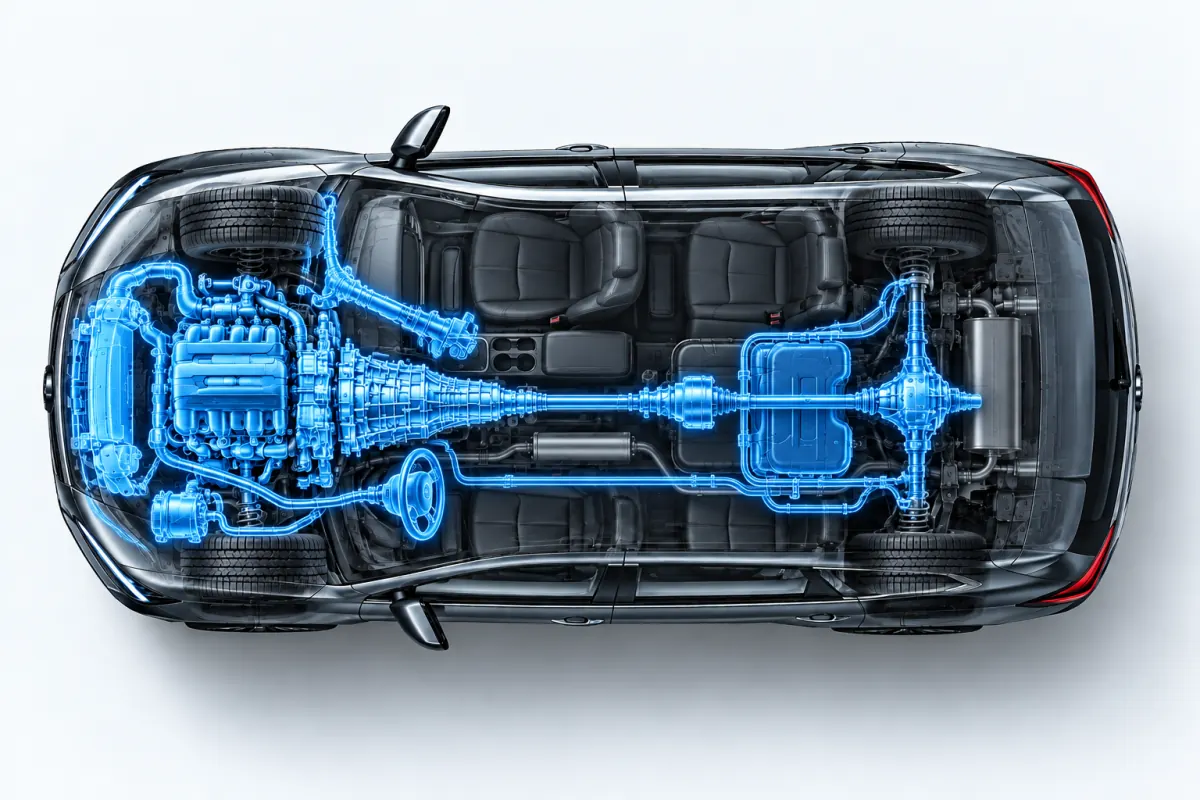
Powertrain plus brakes, steering, cooling, fuel, electrical, A/C and suspension.
View sample contractGet a Quote for This Plan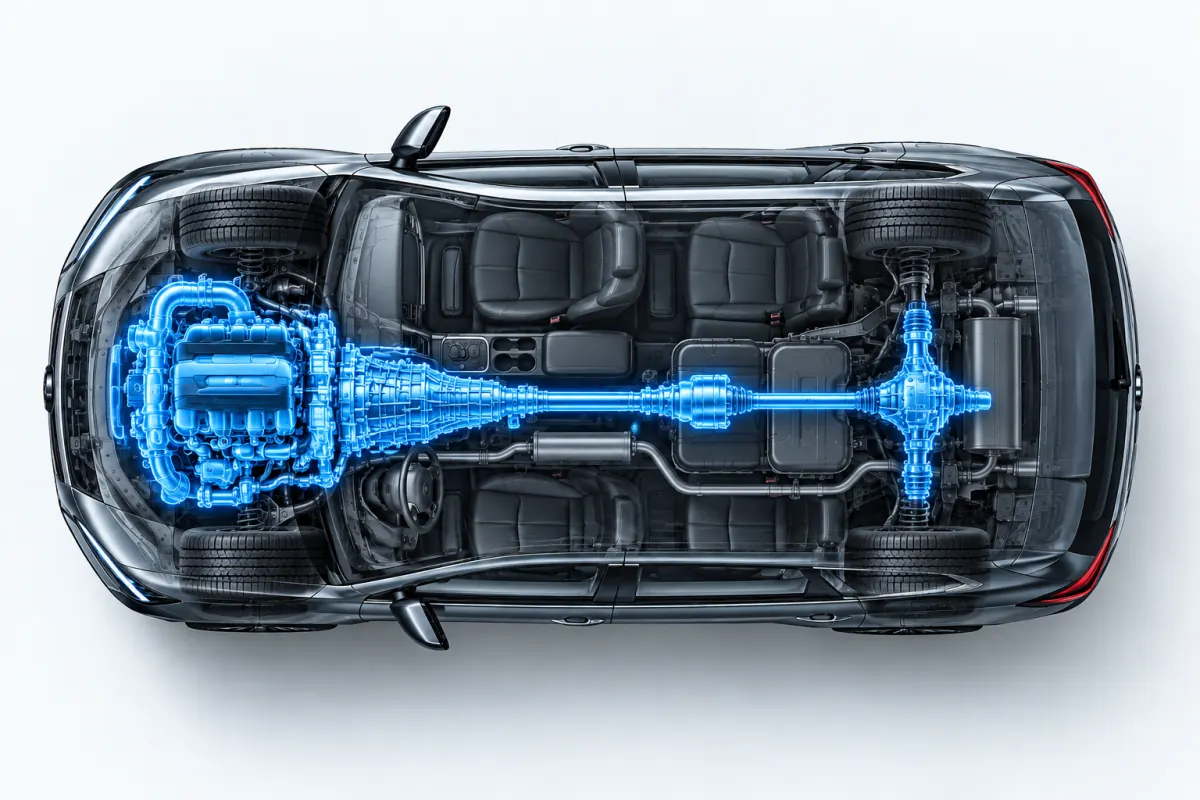
Engine, transmission and drivetrain, plus core cooling, A/C, fuel and electrical parts. A fit if your factory powertrain warranty is ending too.
View sample contractGet a Quote for This PlanDriving a used or high-mileage car? See used car protection plans or high mileage car protection plans.
You become responsible for repairs the manufacturer used to cover. Coverage usually ends in stages, and some protection, like safety recalls and certain emissions or battery coverage, can continue. Many drivers add a vehicle service contract to stay protected.
Usually not. Check the dates in your warranty booklet or owner portal, or ask a dealer to look up your VIN.
Manufacturer plans often must be bought before the factory warranty ends. Vehicle service contracts may be available after expiration if your vehicle is eligible.
Safety recall repairs are generally done free by the manufacturer regardless of warranty status. Check your VIN at NHTSA.gov/recalls.
Buying before it ends helps avoid a gap and may give you more plan options, since eligibility depends on age, mileage and condition.
Factory warranties usually stay with the vehicle until they expire, though some brands shorten certain coverage for later owners.
More questions? See all FAQs
Whether your warranty ends next month or ended last year, see which plans your car qualifies for and what they cost. It’s free, takes about two minutes, and there’s no commitment.
Takes about 2 minutes · See plans for your vehicle
Deductibles and exclusions may apply. Some vehicles may not be eligible, and not every repair is covered under every plan. Review your contract for complete terms, limits and exclusions. Atlas Vehicle Protection sells vehicle service contracts, which are not manufacturer warranties or insurance.

What a factory warranty includes, what it leaves out and what changes when it expires.
Read guide
The pros, cons and real math, plus a 30-second self-check.
Read guide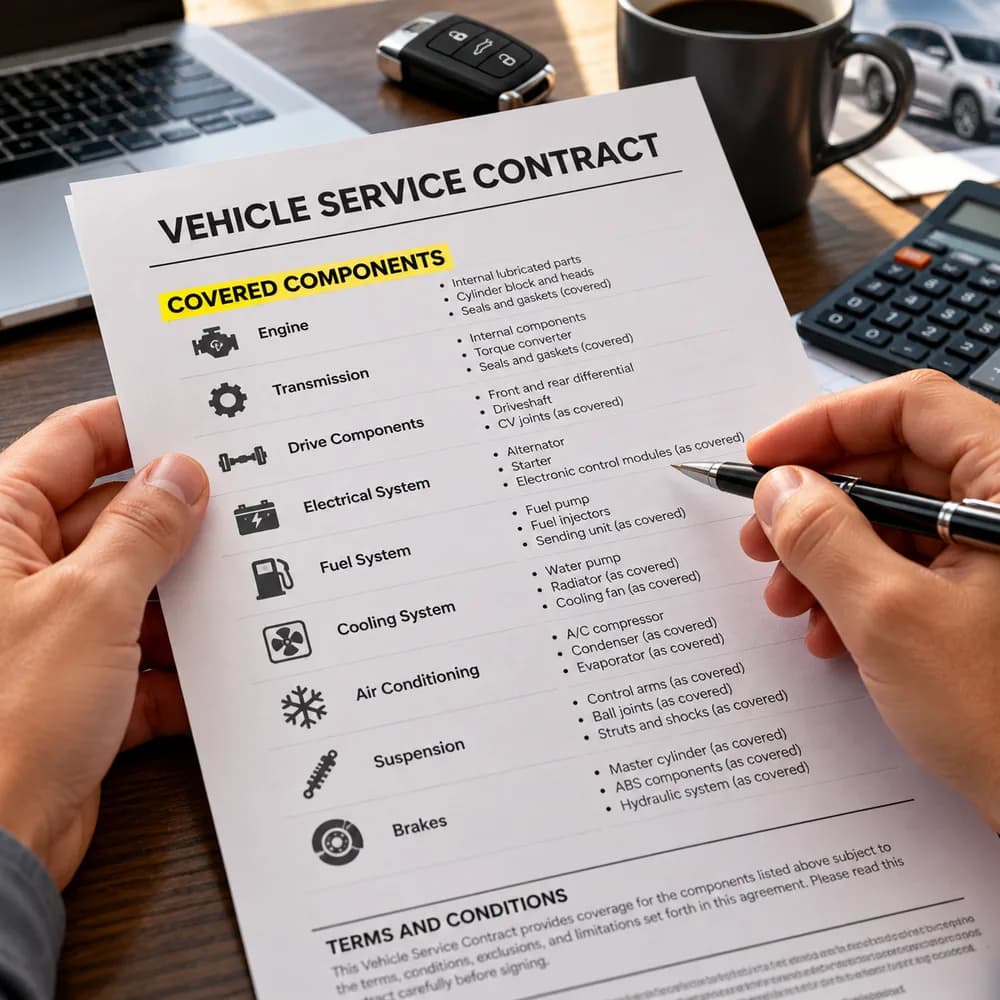
Who provides each, when they apply and why the difference matters.
Read guide